I have selected my must have A-Z of remedies, if you are interested in purchasing the item, simply click on the link and this will take you through to the product I recommend.
The links on this site are Amazon affiliated. This means I may earn a small commission if you make a purchase through these links. This helps me continue testing products and sharing honest, real-life recommendations.
I only recommend items I genuinely believe in.

Arnica
For Bumps, bruises and achy muscles
Read More
Arnica cream or gel is one I always recommend having in the first aid box for bumps and bruises. It gives immediate relief and, in my experience, really helps the body recover more quickly. You can also get arnica pillules, which some people take ahead of impact sports or surgery to help reduce bruising and soreness afterwards (always worth checking with a healthcare professional first). The pillules are a slightly odd one — you don’t touch them, just tip them into your mouth — so definitely read the instructions. Otherwise, arnica creams, gels and even bath additions are an easy, low-effort way to support healing and speed up recovery.
There are also Bath Soaks, and Massage Gels for achy muscles.
Borage Oil
Anti Inflammatory & Hormone Balancing
Read More
Borage Oil is one of those cupboard staples I keep coming back to. Made from the seeds of the starflower plant, it’s naturally rich in gamma-linolenic acid (GLA) and is widely used for its anti-inflammatory properties. Many people turn to it for hormonal balance, and it’s often considered more potent in this respect than evening primrose oil. It’s also frequently talked about for its skin-supporting, anti-ageing benefits. Interestingly, borage oil is one of the few supplements that’s been explored for helping the body cope better after alcohol, which is why some people swear by it for reducing hangover effects. I personally take a minimum 1000mg, especially when my hormones feel out of kilter, and I’ve found it really helps me regain a sense of emotional balance.

Charcoal
Removes toxins, poisons and aids digestive system
Read More
Charcoal is another proper cupboard staple, and one that still earns its place in modern medicine – it’s even used in hospitals for certain types of poisoning. Activated charcoal works by binding to and soaking up toxins rather than absorbing into the body itself, which is what makes it so useful. I keep it in a few forms: the powder is great for brushing teeth, the capsules are my go-to for digestive issues, and I even use a charcoal stick to filter my water. We actually went on a three-week cruise that later made the news in 2024 for high levels of Covid and Norovirus. My poor daughter caught Norovirus, and despite me sharing a cabin and bed with her, (charcoal isn’t recommended for children without medical supervision), me and her dad remained well and I put this down to taking charcoal binder detox capsules throughout the trip. It’s one I always pack for travelling, as not only does it help prevent and resolve tummy upsets it also helps with excess gas – which tends to build up on planes.

Vitamin D
Low Vit D can be responsible for Fatigue, Mood Changes, Hair Loss…
Read More
Vitamin D is one I really have to flag, because so many people are deficient these days – particularly up North. Low vitamin D levels can affect both body and mind, and the symptoms can overlap with things like perimenopause or fibromyalgia, which makes it easy to miss. I include vitamin D within other supplements I take regularly, but it’s definitely one worth paying attention to. Before accepting other diagnoses, it’s sensible to ask your GP to check your levels, as something so simple can sometimes explain a lot. It’s also one you can over do it on so take care to keep this in balance – 100mcg per day is the recommendation but it can be added to a lot of products so you could be consuming more Vitamin D than is necessary if your supplement regime overlaps – watch out for headaches, and feeling dehydrated but needing to wee often. BetterYou offer Vitamin D spray in three different strengths: Daily maintenance at 25mcg, Top Up at 75mcg per spray or a Higher Strength for those with a deficiency 100mcg per spray.

Echinacea
Immunity Support, particularly helpful for warding off Winter Bugs
Read More
Echinacea is probably one of the most well-known herbal remedies, and for good reason. It’s been used for centuries to support the body during times of illness, particularly around colds and infections, and is often taken at the first sign of feeling run down. Traditionally, it’s valued for supporting the immune system and helping the body respond more effectively when under pressure. Some people also use it to support recovery and general resilience during busy or stressful periods. It’s one of those remedies that’s stood the test of time, earning its reputation not through hype, but through long-standing use.

Feverfew
Helps open up blood vessels, excellent for treating and preventing Migraines
Read More
Feverfew has been an absolute game-changer for me. It’ apparently helps with migraines by supporting blood flow, but all I really care about is that it worked I’ve suffered with migraines for years, and later started getting silent migraines – no pain, but awful pressure, vision disturbances and tingly fingers that honestly made me feel like I was having a stroke. I took feverfew consistently for around three months and, full disclosure, I did react to it with hayfever-type symptoms (it’s part of the daisy and chamomile family, so that wasn’t a huge surprise). Even so, for me, it was worth it – because I haven’t had a migraine since. Feverfew is available in both tincture and capsule form, and while it won’t suit everyone, I know the desperation to prevent debilitating migraines so it’s got to be worth a try.
Gummies
The easy way to supplement, and perfect for kids
Read More
Gummies are a bit of a gateway in our house. As a mum of four, I know how hard it can be to get kids to take supplements consistently – and if I’m honest, I’m no different. I’m far more likely to stick to a routine if something tastes good. There’s a huge range of vitamin gummies available now, which can make daily supplements much easier, but it’s worth being a little selective. Keep an eye on sugar levels, and always check you’re actually getting meaningful amounts of the active ingredients. Most vitamins list an RDA (recommended daily allowance) and percentages, but some of the really useful bits don’t always stand out. For example, if I’m buying omega-3, I look for at least 250mg of DHA; for magnesium, I aim for around 1000mg; and for L-methylfolate, around 100mcg for my youngest and 200mcg for me. Over winter you might want to consider and Immunity Gummy.
Healing Crystals
There’s a crystal for everything – use earth’s natural energy to assist healing
Read More
Healing crystals are something I’ve only recently started exploring, but they’ve really opened my eyes to the idea of natural energy and transference. Following a surgical procedure, I wanted something supportive that I could wear easily every day, so I chose a small selection of crystal jewellery, including amethyst, carnelian and obsidian. I bought mine from The Wild Woodland Witch on Etsy, who also offers to charge your crystals with healing energy for a small extra cost. If this all sounds a bit out there, I understand but my own recent experiences with Reiki, gently shifted have reinforced my belief in the quiet power of energy, intention and things that aren’t always easy to explain.
Iron
Particularly good for those with heavy periods to prevent and manage anaemia
Read More
Iron is one I have to stay on top of, as I suffer with anaemia due to heavy periods. Keeping my iron levels steady makes a noticeable difference to fatigue and general resilience, including immunity. I’ve opted for the BetterYou iron spray, which I find much gentler on the stomach, as some iron supplements are well known for causing digestive issues such as constipation. The spray is quick and easy to use, but timing matters — it’s best not taken alongside dairy, as this can interfere with absorption. I tend to use it before my morning coffee rather than after, or better still, pair it with a glass of fresh orange juice to help support absorption and get the most out of it. BetterYou also offer a Vegan Supplement, which includes iron: https://amzn.to/4qBBXrd
Jasmine
Essential Oils like Jasmine can offer a more natural way to scent your home but many also have medicinal uses
Read More
Jasmine is one of my favourite scents and a lovely introduction to essential oils. Jasmine oil is well known for its mood-enhancing properties, often used to help ease stress and anxiety while encouraging relaxation. Alongside its effect on mood, it also has gentle antiseptic and antibacterial qualities, making it useful in skincare and for supporting minor wound healing when used appropriately.
Some of my other favourite oils include clary sage, a deeply calming scent often associated with hormonal balance and easing menstrual discomfort. I used clary sage during labour with my fourth child, as it’s also traditionally known for supporting contractions — which does mean it’s one to avoid during early pregnancy. Rose is another favourite, again linked with hormonal support, and one I used when trying to conceive my first child. A word of warning with essential oils: quality really matters. Good oils may cost a little more, but lower-quality versions can carry a risk of toxicity and simply won’t offer the same benefits. Avoid fragrance oil, this is not the same as Essential oil.

Kelp
Natural combination of minerals support Hair, Nails and Skin health
Read More
Kelp (sea kelp) is one of those quietly powerful natural remedies that’s been used for centuries. It’s incredibly mineral-rich, containing over 50 trace minerals including iodine, magnesium, calcium, potassium, iron and zinc, all of which play a role in skin health, energy levels and overall balance in the body. I first used raw seaweed in the bath when my son was little and struggling with eczema, and found it wonderfully soothing for irritated skin. These days, I’m more likely to use sea kelp seasoning, which feels like the easiest and most practical way to include it in everyday meals. It’s a simple cupboard addition that supports the body from the inside out without much effort at all.
There are also plenty of kelp capsules available, often marketed towards hair, skin and nail health. This was very popular when I was a teenager, and it’s still a good, gentle option for teens looking to support nail and hair growth and improve overall skin health.
Lemon Myrtle / Lemon Balm
Myrtle for high strength antibacterial and antiviral properties ideal for skin issues. Lemon Balm for extra Calm.
Read More
L was a hard one to choose, as I have two favourites: Lemon Myrtle and Lemon Balm, both very different but equally useful, so here are both:
Lemon Myrtle is a remarkably powerful antibacterial essential oil — often described as significantly stronger than tea tree — which means only very small amounts are needed. I first came across it when my son developed Molluscum Contagiosum, a viral skin condition that causes small warts and can take many months, sometimes over a year, to clear on its own. It’s also one that doctors often struggle to offer much treatment for. After some research, I tried lemon myrtle, adding a small amount to his bath, and within a couple of weeks the warts had completely gone. I’ve since also used lemon myrtle goat’s milk soap for my niece, who suffers with eczema — the antibacterial properties help reduce the risk of infection, while goat’s milk is well known for soothing irritated skin.
Lemon balm, on the other hand, is one I associate much more with calm. I found it particularly helpful during a period of high anxiety, first discovering it through Twinings Cold Infuse Breathe, where lemon balm is one of the key calming ingredients. I noticed such a positive effect that I later bought a lemon balm tincture, which I now simply add to water whenever I feel I need a little extra support.

Menstrual Cup
A healthier and more environmental Sanitary product, which is cost effective too!
Read More
Menstrual cups have been a real game-changer for me. I wanted to avoid using products full of chemicals and plastics, and the environmental benefits were a huge bonus. In my experience, they’ve also been far more reliable than tampons or sanitary towels, even with a heavy flow. There is definitely a bit of a learning curve at first — getting used to positioning and emptying takes a little practice — but once you get the hang of it, it’s absolutely worth it. I often pair a cup with period pants as an extra precaution, which gives me peace of mind, or just period pants for lighter days. Over the years, this combination has saved me a small fortune, prevented countless disposable products from ending up in landfill, and made travelling or nights out much easier, as I only need one item rather than packs of supplies.
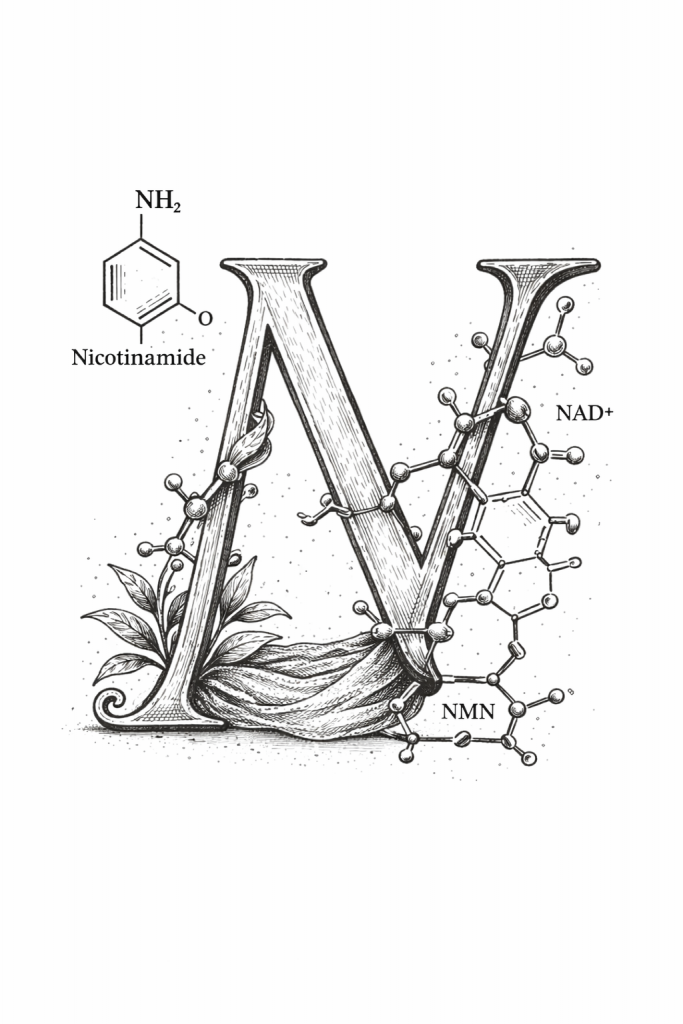
NMN / Niacin / Niacinamide
Supports Healthy Aging / Cardio and Circulation support / Skin & Joint health
Read More
Niacin is the form of B3 traditionally associated with cardiovascular support, circulation and cholesterol balance, and it’s well known for causing the characteristic flushing response. Personally, I’ve found this flushing effect has also helped relieve sinus congestion.
Niacinamide, on the other hand, doesn’t cause flushing and is more commonly linked with skin health, energy metabolism and general cellular support, which is why it often appears in skin care products but can also be taken as a supplement.
NMN has become a very trendy “Anti Aging” supplement, it can be more expensive but this is because it works as a precursor to NAD+ so is helping your body on a cellular level, it is suggested that it can reduce greys, improve skin and joint health along with improving overall health and energy levels – effectively rewinding time. This is one I have yet to try so I will keep you posted.
Oregano
Powerful antifungal remedy for skin irritations, Athletes Foot, Thrush, Fungal Toe and even Acid Reflux
Read More
Oregano is a real super herb and one I am really interested in at the moment. It’s traditionally used to support the body when dealing with unwanted microbes, like fungal or bacterial infections. I think it’s important to recognise how much impact fungal imbalance in the body can have — beyond the obvious signs like fungal nail infections or thrush, it can also show up more subtly, through things like an itchy or flaky scalp, digestive discomfort such as acid reflux, and it’s increasingly suggested that long-term imbalance may affect overall health, including the heart.
Oregano oil is not for the faint-hearted. I’ve used a high-quality, high-strength oil, taking just a couple of drops diluted in water or olive oil for a short course of around three weeks. The taste is strong and spicy, so dilution is essential, and it’s definitely not something to overdo — too much can be very uncomfortable. It’s best to follow the instructions on the product label carefully, build up slowly if advised, and stick with it consistently for a few weeks to support effectiveness

Propolis
Harnessing the power of bees for soothing and healing the skin
Read More
Propolis is one of the lesser-known bee remedies, often overshadowed by honey, but quietly just as impressive in its uses and benefits. Made by bees from plant resins, it’s been used for centuries for its natural antibacterial, antiviral and anti-inflammatory properties. It’s often talked about in relation to immune and oral health, but my own experience with propolis has been much more focused on skin repair. I used a propolis gel when my son was struggling with eczema, and found it incredibly soothing on irritated skin. The texture was gentle, calming and protective, helping to support healing without causing further irritation.
If you’re happy using bee products, it’s well worth including honey in your daily wellbeing routine too. Its benefits are wide-ranging and it’s a far better option than refined sugar. I always try to buy local honey where possible, as this can offer additional support for seasonal allergies like hayfever, thanks to bees using the flowers and plants native to your area. If you want to explore a little further, I’ve used borage honey for its traditional anti-inflammatory and hormonal support, manuka honey for its well-known antibacterial properties, and even mad honey, which is produced when bees collect nectar from certain plants with naturally psychoactive compounds — definitely one for curiosity and caution rather than daily use and makes a fun gift!
Q-tips and Dong Quai
The salvation from dropping oestrogen and resultant Itchy Ears
Read More
Q is for Q-tips and Dong Quai, an unlikely pairing that’s been surprisingly helpful for one of those lesser-talked-about perimenopausal symptoms: unbearably itchy ears. As oestrogen levels begin to drop, changes can occur in the skin lining and hair follicles of the ear canal, often showing up as persistent itching. I’ve found that applying a small amount of rubbing alcohol to a Q-tip and gently wiping just the outer part of the ear canal can bring almost instant relief — peace at last. It’s important not to insert Q-tips deeply into the ear, as that can cause more harm than good.
Dong Quai is a traditional herb often used to support women through hormonal transitions. It’s commonly described as helping the body adapt to changing oestrogen levels, which can, in turn, ease some of the knock-on symptoms that appear during perimenopause. For me, it’s been a useful part of managing those subtle but frustrating changes that come with shifting hormones.

Reiki
Healing through energy, more powerful than you can imagine
Read More
Reiki is a newer love of mine, and one I didn’t quite expect to resonate as strongly as it has. I find my Reiki sessions incredibly powerful, though it’s hard to put the experience into neat words. For me, it feels like a gentle magnetic energy moving through the body — pushing and pulling — leaving me feeling lighter in my mind, stronger in my body, and generally more positive afterwards. If you’re particularly sensitive, as I am, you may even experience insights or messages during a session, either shared by the practitioner or felt quietly yourself. It’s not something I can fully explain, but it’s absolutely something I’d recommend experiencing firsthand.
My Reiki practitioner also specialises in reflexology, another powerful “R” in the healing world. Reflexology works on the principle that different areas of the body are reflected in the feet, hands or face. For anyone who isn’t keen on having their feet touched, facial reflexology is a wonderful alternative — offering the same holistic approach while also helping to ease facial tension and congestion, and leaving the skin feeling more relaxed and refreshed

ShroomIQ
Mushroom combinations to support cognitive function and focus
Read More
S is for ShroomIQ, which isn’t the cheapest option — especially when you’re supplementing a whole family — but it’s been a genuinely good all-rounder for us. In our house, we’re all very much on the ADHD side of the spectrum (undiagnosed, but fairly obvious in how we function), and this has felt like a helpful support. ShroomIQ contains lion’s mane and reishi mushrooms, both traditionally associated with cognitive support and helping to reduce feelings of anxiety. It also includes a decent amount of omega-3, which is important for brain, heart and skin health, and something I’ve found particularly helpful for eczema.
All of my children take an omega supplement in one form or another — those who don’t get on with ShroomIQ have Haliborange Omega-3 gummies, which still provide a solid daily dose. Alongside this though, ShroomIQ also includes magnesium and L-theanine, both known for their calming properties and support for sleep. I can genuinely tell when the kids haven’t had their supplements — there’s a noticeable difference in focus and emotional regulation — so while it’s not a magic fix, it’s become a steady and supportive part of our routine.
Trip
Alcohol alternatives, with calming and health benefits
Read More
Trip is a really refreshing alternative to alcohol and one I like to keep stocked in the fridge. They come in a range of lovely flavours and include calming, supportive ingredients such as magnesium, lion’s mane, chamomile and lemon balm, making them a naturally soothing option when you want something grown-up but gentle. There’s also a CBD range, which is often used for its anti-inflammatory properties and for helping take the edge off anxiety. I’ve found that having a Trip before a night out can help me feel more balanced the next day too — it makes a great “prink” (pre-drink) if you’re heading out. Both ranges are brilliant to have on hand so that when you feel like reaching for a beer or a glass of wine, there’s a healthier, feel-good alternative ready to go.
Urtica
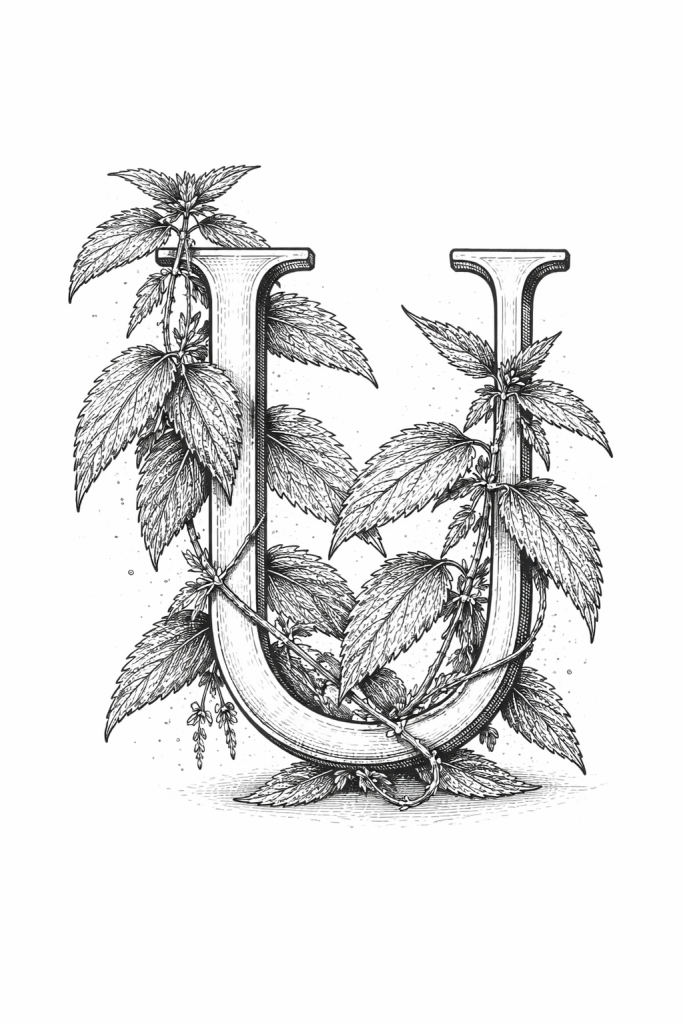
Aka Nettle; Naturally rich in minerals supporting overall wellbeing
Read More
Urtica, more commonly known as nettle, is one of those plants that’s wildly underrated — often avoided, but incredibly useful. It’s long been valued in traditional herbalism for its rich mineral content, particularly iron, calcium, magnesium and silica, making it supportive for energy levels, joints, hair and skin. Nettles are also commonly used to support allergies and inflammation, and are often taken as a tea, tincture or dried supplement.
Nettle is actually one of my dad’s favourites, largely because he can forage it for free. He makes nettle crisps by carefully cleaning the leaves and roasting them quickly with a light spray of oil — I tend to use olive oil for most things, as it’s well known for its antioxidant and antimicrobial properties and is a staple in my kitchen. Once cooked, the sting disappears completely, leaving a surprisingly tasty, nutrient-rich snack. A slightly unexpected but useful tip: nettles have also traditionally been used to help neutralise strong odours, including the smell of weed, which makes them a handy addition to wild or compost toilets.
In supplement form, urtica is usually taken as leaf or root, depending on the intended use, and it’s one of those plants that quietly supports the body in multiple ways without much fuss.
Vinegar
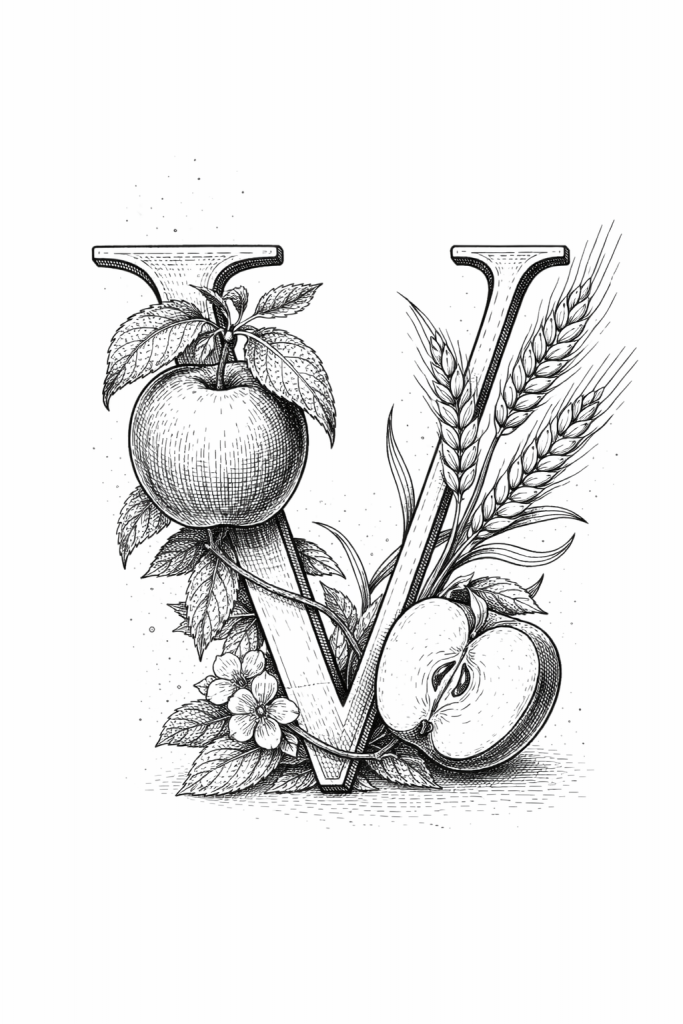
From Digestive aid and blood sugar regulation to cleaning
Read More
V is for Vinegar, specifically apple cider vinegar, which is an absolute core product when it comes to everyday health. It’s been used for generations and earns its place through sheer versatility — supporting digestion, helping balance blood sugar, and often used for skin, scalp and general wellbeing. I keep it firmly in my cupboard and reach for it regularly. There’s also a brilliant bit of family wisdom attached to this one: my uncle swears by apple cider vinegar for stopping hiccups. Just a dessert spoonful — not the most pleasant thing to take, but surprisingly effective.
Alongside apple cider vinegar, I always keep white vinegar in the house too. It’s my go-to for cleaning — brilliant for windows when used with a bit of scrunched-up newspaper, and perfect down the loo with some baking soda. It’s cheap, effective and naturally safe, and another example of how simple, old-fashioned solutions often do the job better than anything flashy.
Water
The holy grail, and where any journey to wellbeing should begin
Read More
Water underpins absolutely everything in the body, and increasing my intake was one of the simplest but most effective changes I’ve ever made. Drinking more water helped me overcome frequent headaches, ongoing lethargy and even joint pain — all things I hadn’t immediately connected to hydration at the time. It’s a reminder that before reaching for anything else, water is often the first place to start.
That said, water isn’t completely without its considerations. In the UK, tap water can contain trace chemicals, hormones and additives such as fluoride, which is automatically added in some areas. There are recognised public health benefits to this, and I’m not saying it’s right or wrong — just that it’s something people may want to be aware of. Bottled water isn’t the perfect solution either; it’s not great for the planet and can leach microplastics after sitting in plastic bottles for long periods.
My own workaround is using a stainless steel bottle — glass is another option, but I don’t trust myself — and stainless steel also has the benefit of preventing algae growth, as light can’t penetrate it. To filter my tap water, I use a charcoal log, held in place with a small metal clip so it doesn’t clonk around every time I tip the bottle. The charcoal helps absorb impurities and can also improve the taste and mineral balance of the water. It can be refreshed every few months by soaking it in boiling water.
Before trying anything more complicated, I always suggest simply increasing water intake — but with balance in mind. It is possible to overdo it and flush out too many electrolytes, so aiming for a steady around two litres a day works well for most people. If you exercise a lot, drink more than average, or are travelling or flying, adding an electrolyte formula can be really helpful. I find electrolytes especially useful on hot days and plane journeys, when dehydration tends to creep up unnoticed.

eXhale
Breathing is a powerful and free tool for calming the mind and repairing the body
Read More
eXhale is a reminder of just how powerful the breath can be. Breathwork is something I return to again and again, especially when I need to calm my nervous system or reset emotionally. One of my favourite techniques is taking a slow breath in, then gently drawing in a little more until the body starts to tense, before letting it all go in a long sigh — it’s incredibly effective for releasing stress and settling the nerves. There’s also a lovely, instinctive technique that children naturally use to calm themselves, often heard between sobs, where they take a quick double breath in before exhaling.
Yogic breathing techniques have also been a huge support for me, particularly for grounding, calming the mind and managing pain. During labour, breathwork was invaluable — visualisations like pulling a golden thread or blowing out a candle, along with strong, steady “Darth Vader” style exhales, helped me stay focused and present. It’s a gentle reminder that sometimes the most powerful tools for wellbeing don’t come in a bottle — they’re already within us, waiting for us to slow down and breathe.

Yarrow
To help with digestive issues and difficult menstruation cycles
Read More
I first became aware of yarrow during a Reiki session, where it was mentioned as a plant traditionally associated with balance and support. Curious, I went away and looked it up properly and discovered its long history of use in herbal medicine, particularly for menstrual discomfort and digestive upsets. Yarrow has been used for generations as a steady, practical remedy rather than a dramatic cure. Today it’s easy to find in teas and balms, though I personally chose to try it as a tincture, which felt like the most straightforward way to incorporate it into everyday life.
Zinc
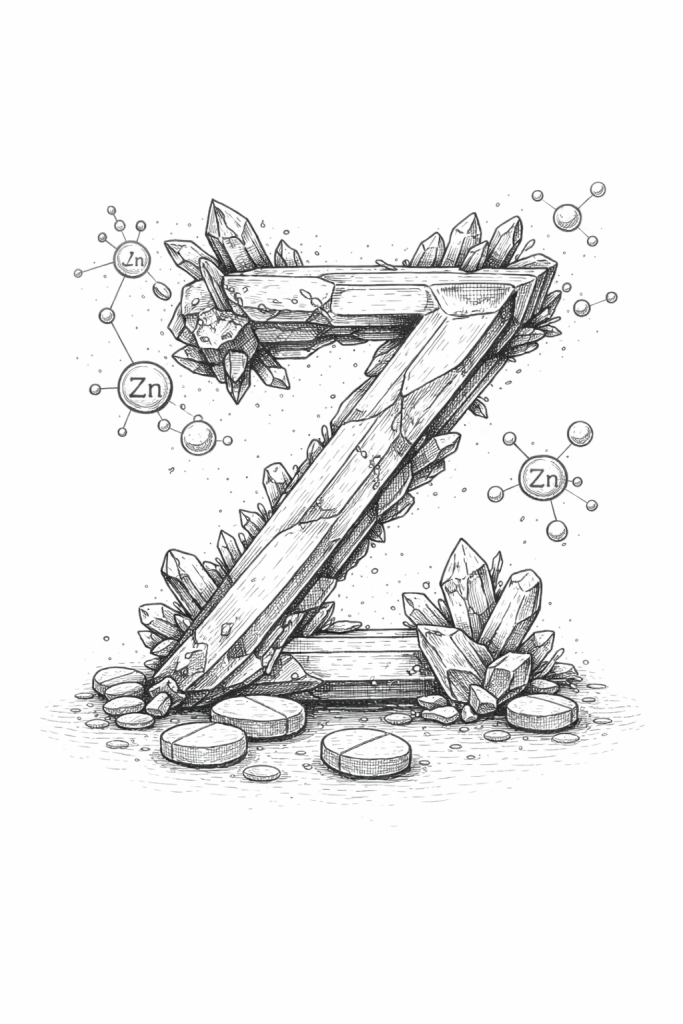
Important for reproductive health and immunity
Read More
Zinc is an essential mineral that plays a role in so many fundamental processes in the body, yet it’s often overlooked. It’s particularly important for immune function, wound healing, skin health and hormone balance, and it’s one I pay attention to for the whole family. Zinc is especially relevant for men, as it supports testosterone levels, sperm health and overall reproductive function, which makes it a key nutrient when trying to conceive.
For women, zinc also contributes to hormone regulation and egg health, and it’s commonly linked with skin healing and resilience — something that becomes more noticeable during times of stress, illness or hormonal change. Like many minerals, balance matters, so I see zinc as a steady, supportive addition rather than something to overdo. It’s a really solid, sensible supplement that earns its place quietly in the background, doing important work without fuss.