Cortisol seems to be everywhere at the moment — in conversations, podcasts, wellness blogs, and especially in discussions around perimenopause. And for good reason. Many of us hit our mid-30s and suddenly feel like our bodies have changed the rules without telling us.
Sleep gets lighter. Weight distribution shifts. Energy dips. Stress tolerance changes. And workouts that once left us buzzing suddenly leave us wiped out for days.
Recently, after chatting with my Pilates instructor, something really clicked for me.
Cortisol: Friend, Not Foe
Cortisol has got a bit of a bad reputation lately – being blamed for sleep interruption and tummy tyres, but it actually plays a vital role. It helps regulate blood pressure, blood sugar, inflammation, sleep, and gives us that surge of energy when we need it.
It’s part of our ancient survival wiring — the famous fight or flight response.
Think cavewoman times: if you were running, it was probably because something large and toothy was chasing you. Running meant survival mode. Cortisol surged, heart rate increased, energy mobilised — all perfectly designed to keep you alive.
Fast-forward to now, and many modern workouts still trigger that same response. High-intensity training, long runs, boot camps — all fantastic forms of exercise, but they can signal stress to the body, especially when hormones are already fluctuating during perimenopause.
Why Recovery Matters
One thing we discussed is how important recovery becomes during perimenopause. High-intensity exercise raises cortisol, and if we don’t give the body time to come back down, we can end up stuck in a cycle of fatigue, stubborn weight gain, poor sleep and feeling permanently wired but exhausted.
Which is why many experts now suggest alternating harder workouts with recovery days.
But let’s be honest… life doesn’t always allow for rest days. Work, kids, partners, businesses, laundry mountains — most of us don’t have spare days to lie down and “recover”.
And that’s where gentler movement comes in.
Movement That Nurtures, Not Stresses
Pilates and Yoga feel very different. They strengthen, lengthen and support the body without triggering that survival response.
They feel less like running from danger and more like coming home to yourself.
Breathing slows. Muscles release. The nervous system settles. Stress levels drop instead of spike.
For many women at this stage of life, these forms of movement feel more sustainable — especially when time and energy are precious.
Crying: The Unexpected Cortisol Reset
Then something else landed this week. My Reiki therapist shared a reminder that crying can actually help release stress hormones, including cortisol.
And while it sounds simple — just have a cry — it isn’t always easy.
Many of us are too busy fixing problems, managing life, or being the strong one. Letting go doesn’t come naturally. Personally, I rarely cry over my own stresses because my brain is busy trying to solve them.
But put on the right film and… floodgates open.
Sometimes the only way to get that emotional release is through someone else’s story.
My guaranteed tear-jerkers?
Mum’s List and PS I Love You. Full-on ugly cry 😭
And honestly, sometimes that emotional purge feels like the best therapy session going.
Other ways to help manage cortisol spikes
Magnesium is one of those minerals that quietly does a huge amount of work in the body, and a lot of people don’t get enough — especially with stress, busy lives, caffeine, alcohol, and modern diets all using it up faster than we replace it.
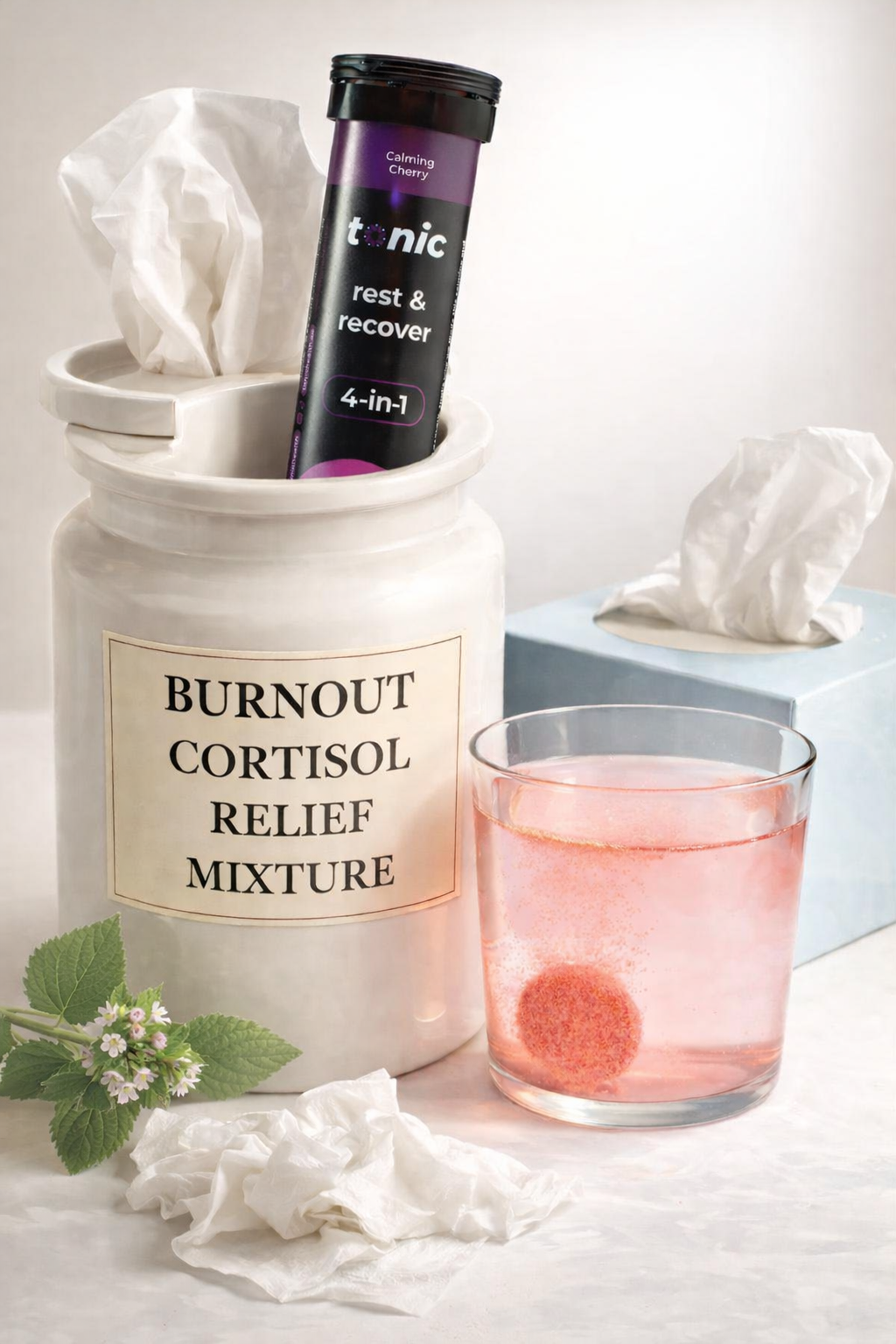
I’ve recently been trying the Tonic Health Rest & Recover Effervescent Tablets, it’s a brand I’ve tried before for the kids immunity jellies so I thought these were worth a try. I’ve been having one and hour or so before bed and they are genuinely helping – not only to nod off but to sleep without waking up at 3am.
They include three key ingredients for lowering Cortisol, and aiding with a good night’s sleep:
✓ Magnesium relaxes muscles and nerves
✓ Ashwagandha lowers stress response
✓ Lemon balm calms the nervous system
I went for the Cherry flavour, it’s not overly strong, there is also a Strawberry flavour – I’ll try that next!
Magnesium types included — good or not?
This supplement contains a mix:
• Magnesium citrate
• Magnesium carbonate
• Magnesium oxide
• Magnesium glycinate
What this means
- Glycinate → best for calming & sleep ✔️
- Citrate → good absorption, may help digestion ✔️
- Oxide & carbonate → cheaper forms, less well absorbed, mild laxative effect ⚠️
So it’s a mixed formula — not the purest form available, but still effective because glycinate and citrate are included.
Bonus of taking Magnesium: Fewer sugar or chocolate cravings, especially pre-period — chocolate cravings are often a magnesium deficiency signal.
The added ingredients — why it works
Ashwagandha (KSM-66) — 100 mg
Helps:
• Stress resilience
• Cortisol regulation
• Anxiety reduction
• Sleep quality
KSM-66 is a good-quality extract – the dose is gentle rather than strong, which is good for nightly use.
Lemon balm extract — 100 mg
Excellent calming herb:
• Reduces nervous tension
• Helps sleep onset
• Soothes digestive stress
• Mild mood support
A very good addition for reducing anxiety and stress.
Why hydration matters here too
With this being an effervescent your going to ensure your having a decent glug of water. A small but really important piece to add into all of this is hydration, because it directly affects magnesium absorption, cortisol balance, and sleep quality.
1) Magnesium needs water to work properly
Magnesium is an electrolyte, and electrolytes work in balance with fluids in the body.
If you’re dehydrated:
- Magnesium isn’t absorbed or transported as effectively
- Muscle cramps and tension are more likely
- Headaches and fatigue increase
So you can take magnesium, but if hydration is poor, you won’t get the full benefit.
2) Dehydration raises cortisol
When your body is low on fluids, it treats this as stress and cortisol rises to compensate.
This can show up as:
- Feeling wired or anxious
- Afternoon energy crashes
- Sugar cravings
- Tension headaches
- Poor sleep
Sometimes what feels like stress is actually mild dehydration.
3) Hydration helps sleep quality
Mild dehydration overnight can trigger:
- Early waking
- Restlessness
- Dry mouth
- Night cramps
- Morning headaches
But drinking too much right before bed leads to night-time loo trips, so timing matters.
…and if you’ve made it to the end of this blog you should be ready for a good night’s sleep 🥱
Leave a Reply